


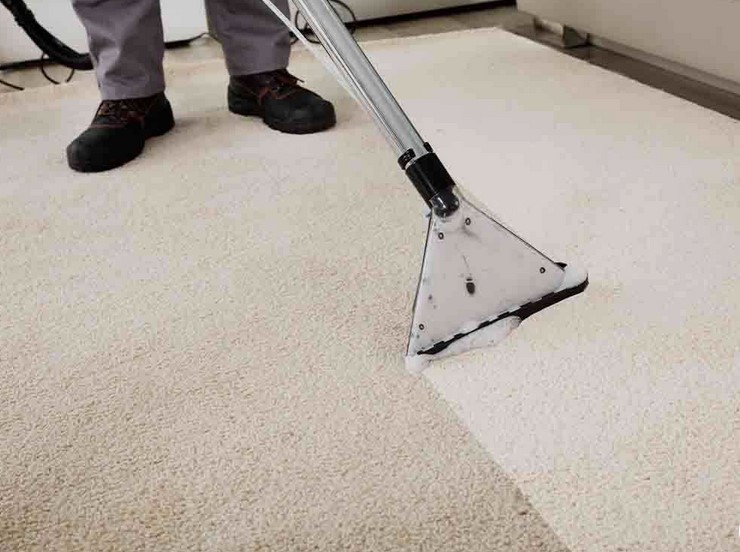
Budgeting for carpet maintenance becomes much easier once you understand the factors that influence commercial carpet cleaning prices, and businesses that take the time to learn these details make far better purchasing decisions. The cost of professional carpet cleaning varies widely depending on several variables, from the size of the space to the cleaning method used. Knowing what drives pricing helps you compare quotes fairly and avoid overpaying for services you do not need.
The Size of the Area
The most obvious factor in any carpet cleaning quote is the total area to be cleaned. Providers typically price their services per square foot or per square metre. Larger spaces naturally cost more, but many companies offer volume discounts for expansive facilities.
When requesting a quote, provide accurate measurements rather than rough estimates. This ensures the price you receive reflects the actual workload and prevents surprises when the final invoice arrives. Some providers will conduct a free site measurement as part of their assessment process.
Cleaning Method Used
Different cleaning techniques come with different price points. The method recommended for your carpets depends on the fibre type, the level of soiling, and how quickly the space needs to be back in use.
Hot water extraction
Often considered the gold standard, this method uses heated water and cleaning solution injected under pressure, then extracted along with dissolved dirt. It delivers the deepest clean but typically costs more due to the equipment and drying time involved.
Encapsulation
A polymer-based solution is applied, which crystallises around dirt particles for later vacuuming. This method is moderately priced and popular for its fast drying time.
Bonnet cleaning
A rotating pad buffs the carpet surface with a cleaning solution. It is one of the more affordable options but best suited for light maintenance rather than deep cleaning.
Dry compound cleaning
A biodegradable compound absorbs dirt from the fibres and is then vacuumed away. Pricing sits in the mid-range, and the near-zero drying time makes it practical for busy offices.
A reputable provider will recommend the most appropriate method for your situation rather than defaulting to the most expensive option.
Condition of the Carpet
Heavily soiled carpets require more time, effort, and product to clean effectively. If your carpets have not been professionally cleaned in a long time, expect the initial session to cost more than subsequent maintenance visits. Ground-in dirt, stubborn stains, and embedded odours all demand additional treatment.
Pre-treatment for stains, deodorising applications, and extra passes with extraction equipment are common add-ons that increase the overall cost. Once carpets are on a regular cleaning schedule, the price per session typically decreases because maintenance cleaning is less labour-intensive.
As Goh Chok Tong once stated, “We must invest in our future, not just manage the present.” Investing in regular carpet care is a perfect example – consistent maintenance prevents costly deep cleans and premature carpet replacement.
Type of Carpet Fibre
Not all carpets are created equal, and the material affects both the cleaning approach and the cost. Nylon and polyester carpets are common in commercial settings and are relatively straightforward to clean. Wool carpets, on the other hand, require gentler methods and specialised products to avoid damage, which can increase the price.
If you are unsure about your carpet type, a professional provider can identify the fibre during the assessment and recommend the safest, most effective approach.
Accessibility and Furniture
The ease of access to the carpet also influences pricing. Open-plan areas with minimal furniture are quicker and cheaper to clean than spaces filled with desks, chairs, and cabinets that need to be moved or cleaned around.
Some providers include light furniture moving in their standard price, while others charge extra. Clarify this before signing a contract to avoid unexpected costs. If your office can prepare by clearing small items in advance, you may be able to negotiate a lower rate.
Scheduling and Frequency
When and how often you schedule cleaning sessions affects the overall cost. After-hours or weekend cleaning may carry a premium, though some providers include flexible scheduling in their base pricing.
Frequency plays an even larger role in long-term costs. Businesses that commit to regular carpet maintenance pricing plans – quarterly or biannual – often receive discounted rates compared to one-off bookings. Contract clients also benefit from priority scheduling and consistent service quality.
Additional Services
Extras such as stain protection treatments, anti-static applications, and antimicrobial coatings add to the cost but can extend the life and appearance of your carpets. Stain protection, for example, creates a barrier that makes future spills easier to clean, reducing the need for intensive treatments later.
Discuss these options with your provider to determine which add-ons offer genuine value for your specific environment and traffic levels.
Getting the Best Value
To ensure you receive fair pricing, obtain at least three quotes from different providers. Compare them on a like-for-like basis, checking that each quote covers the same scope of work. The cheapest option is not always the best – consider the provider’s reputation, equipment quality, and included services alongside the price.
A transparent provider will break down the quote clearly, showing the cost for each service component. This makes it easy to identify where savings can be made without compromising on quality.
Final Thoughts
Understanding the variables behind pricing empowers businesses to budget effectively and choose the right cleaning programme for their needs. From area size and cleaning methods to carpet condition and scheduling, each factor plays a role in the final cost. By staying informed and working with a transparent provider, you can ensure that your investment in commercial carpet cleaning prices delivers excellent results and long-term value for your business.